Pinelands Recovery Center: Levels of Care
Nestled in a serene, wooded backdrop, Pinelands Recovery Center of Medford, a part of the Discovery Addiction Centers family, is truly a destination for healing and recovery. Our two residential facilities, situated on 40 lush acres, evoke a warm, lodge-like feel that is truly unique. Take a look at the levels of care we have for patients.
Medication-Assisted Detox
Detoxification, also known as medical detox, is the first step in successfully overcoming a substance abuse disorder. Detoxification rids the body of any unhealthy or harmful chemicals, including both drugs and alcohol. Once an individual stops using drugs or alcohol, they can be at risk of physical withdrawal symptoms, as the body is not used to functioning without the abused substance. These withdrawal symptoms can be minimal or can be life-threatening, depending on the substance of abuse and the severity of the substance use disorder. Withdrawal symptoms include, but are not limited to, anxiety, nausea, vomiting, abdominal pain, muscle aches, irritability, seizures and headaches.
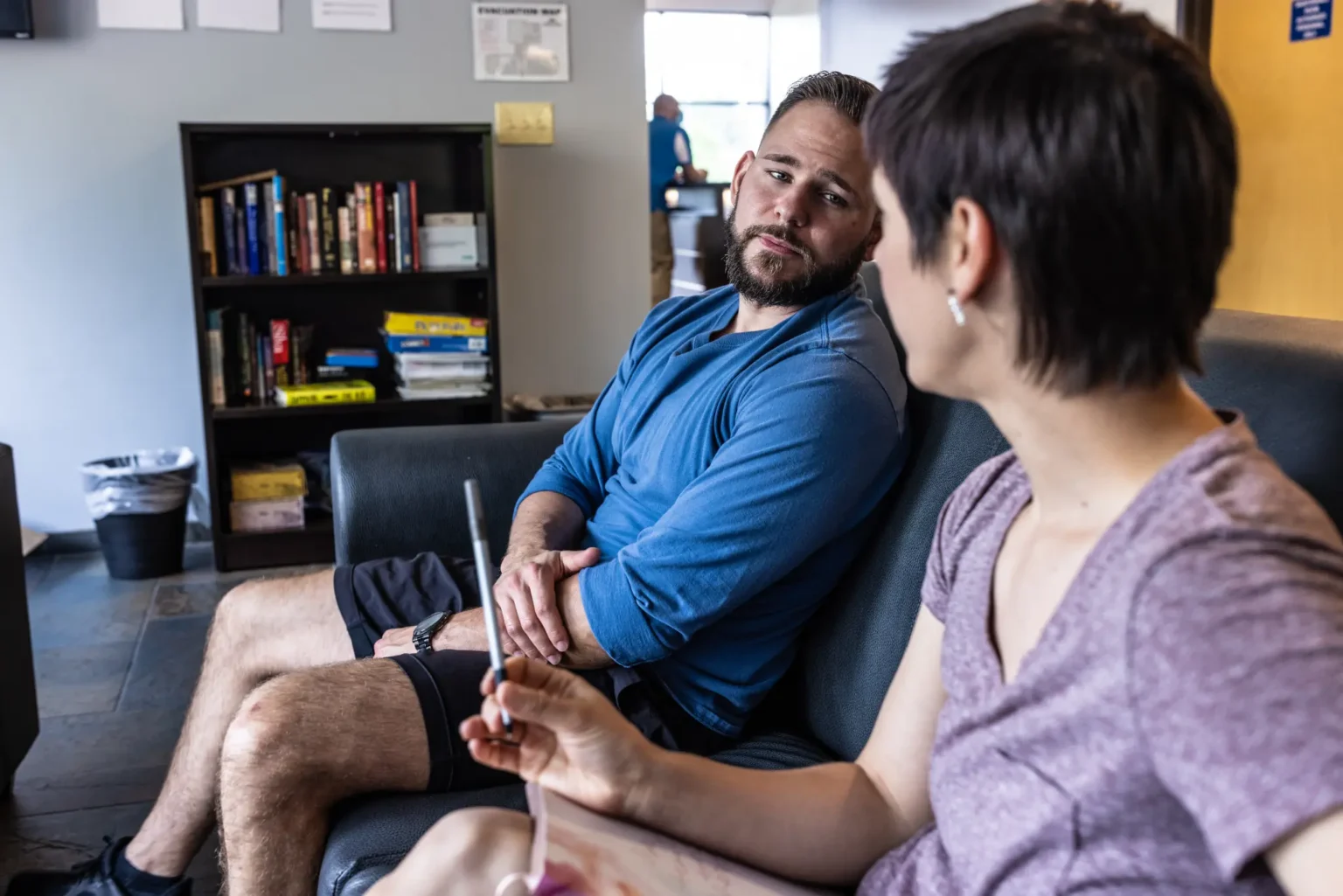
Pinelands utilizes the latest measurement-based treatment modalities and resources to ensure that the detoxification process is safe, comfortable and effective. Depending on the severity of the substance use disorder, the substance of abuse and the individual, detoxification on average can take 5 to 14 days. Patients are placed in a quiet environment with minimal distractions to ease any anxiety or withdrawal-related symptoms. Each patient is treated with the utmost care and compassion throughout the detoxification phase.
Each patient is assessed on an individualized basis by the medical staff at Pinelands before any medications are administered. Throughout the detoxification process, each patient is monitored around the clock to ensure that vital signs are stable and withdrawal symptoms are minimal. The following are some of the medications that are used in medication-assisted detox:
- Suboxone
- Naltrexone (Vivitrol)
Some medications, such as suboxone and Vivitrol, may be given for long-term use. In fact, approximately half of the patients at Pinelands who are treated with medication-assisted detox are discharged on Vivitrol.
Residential Treatment at Pinelands
Because medical detox is usually the first step in treatment, the next important goal is to encourage the individual to continue their recovery process. Each patient is placed in either residential treatment or partial hospitalization after detoxification to ensure that they receive the best care.
Pinelands Recovery Center of Medford in New Jersey offers a top-notch residential treatment program in a serene and relaxing setting for both young adults and older adults.
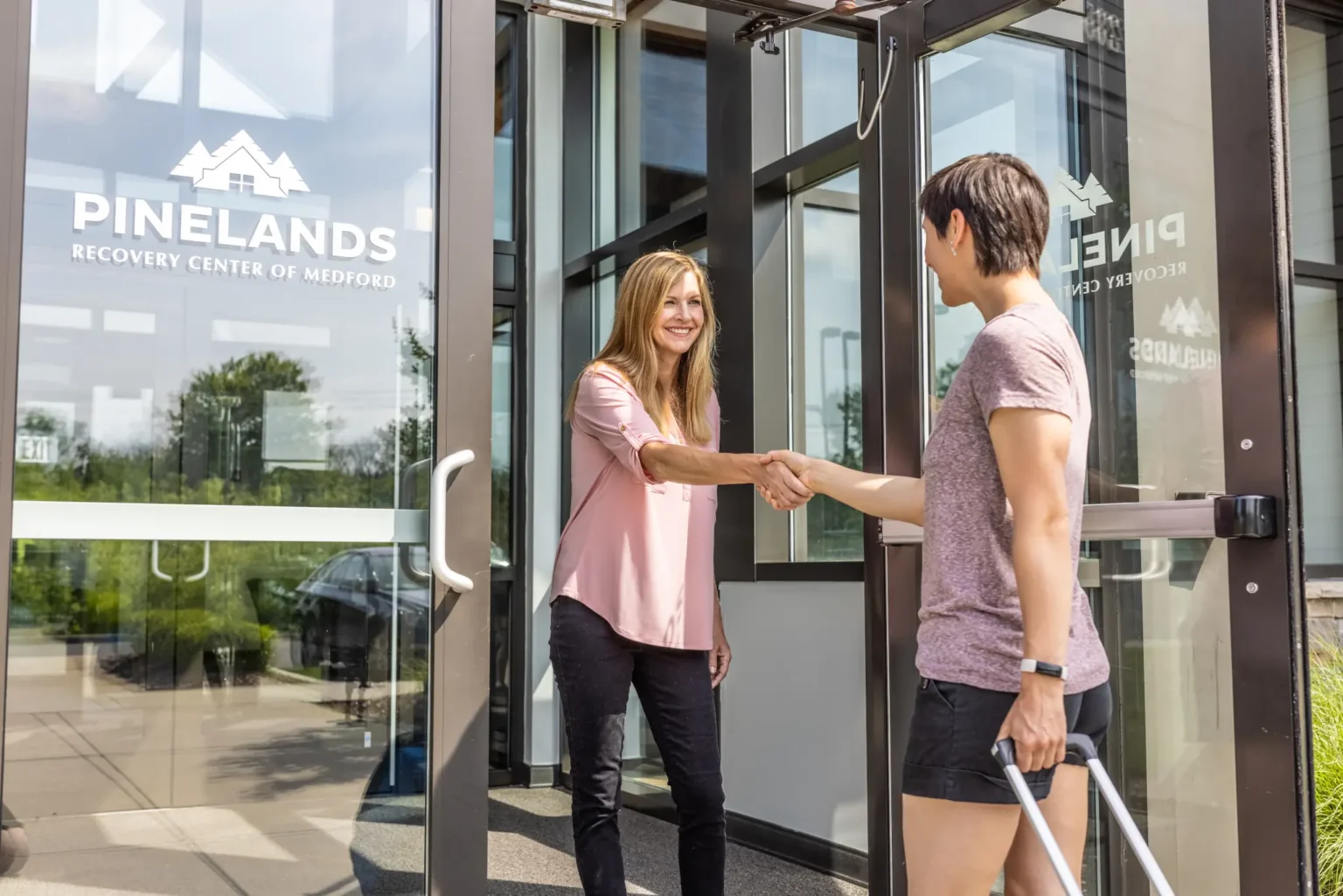
Individuals with symptoms that impair daily living are encouraged to undergo residential treatment where medical care and nursing oversight is provided 24/7 to ensure the best patient safety. Residential treatment is the highest level of care offered at Pinelands, and the length of stay in clinically driven, and depends on the individual and the seriousness of their substance use disorder. Research conducted in partnerships with Pinelands and Rutgers University revealed that the recovery mentor program offered at Pinelands played a significant role in reducing readmission rates. These studies concluded that readmission rates were less than 10% in 2019.
Pinelands also offers a very specialized service known as recovery coaching. Each patient is assigned a certified recovery coach who develops an individualized recovery plan in addition to their treatment plan. Recovery coaches provide both support and supervision around the clock.
Pinelands Recovery Center of Medford provides two beautiful and spacious 30-bed residential treatment centers. One center is specifically designed to treat young adults, ages 18-35. The other works with those ages 35 years old and up. Each one of these 15,000-square-foot residential treatment centers host plenty of comfortable living space, a dining hall and massive windows with natural lighting surrounded by serene landscapes. These beautiful homes were designed to feel connected to the outdoors while providing a warm, healing place for every patient. This is your home away from home, nestled away from the city, connecting you to nature and the outdoors so you can have the best recovery possible.
Types of Therapy
Pinelands Recovery Center of Medford offers multiple types of psychotherapy approaches. Treatment is provided on an individual basis in the form of both individual and group settings.
- Individual cognitive behavioral therapy: Cognitive behavioral therapy works to uncover automatic negative thoughts that can lead to emotional difficulties. The goal is for patients to understand negative thoughts and feelings that influence behaviors and change these destructive thought patterns into healthy emotional responses and behaviors.
- Motivational interviewing: Talk therapy strategy works to move individuals away from a state of indecisiveness or uncertainty and towards seeking motivation to make positive decisions and accomplish established goals.
- Acceptance and commitment: Individuals are encouraged to accept and embrace their thoughts and feelings rather than feeling guilty or fighting against these feelings.
- Dialectical behavior therapy: Similar to cognitive behavioral therapy, dialectal behavior therapy encourages individuals to adopt healthy behaviors by practicing four main strategies: core mindfulness, distress tolerance, interpersonal effectiveness and emotion regulation.
- Group psychodrama therapy: Psychodrama is an active and creative therapeutic approach that uses guided drama and role-playing that includes past situations or dreams. The goals of re-enacting past experiences are to uncover underlying trauma, gain new insights, resolve old conflicts, and practice new life skills and behaviors.
- Experiential therapy: Expressive tools are used, such as role-playing, acting, arts, crafts, music and guided imagery to re-enact and re-experience emotional situations from past relationships.
Get Help Today
Take the first step towards recovery. We’re here to help.